Understanding the Symbolism of Peony Blooms
Posted on 25/05/2025
Understanding the Symbolism of Peony Blooms
Known for their lush blooms and intoxicating fragrance, peonies have captured the imagination of humanity for centuries. Far more than just beautiful flowers, the peony holds a deep, multifaceted symbolism that transcends borders and time. In this comprehensive guide, we'll uncover the symbolic meaning of peony flowers, their cultural significance around the world, and how these magnificent blooms have rooted themselves in the language of art, romance, and even feng shui.
The History and Origin of Peony Symbolism
Peonies (genus Paeonia) are revered across continents, valued for both their ornamental beauty and cultural importance. To fully appreciate their symbolism, let's first explore their origins:
- Asia: Peonies have been cultivated in China since 1000 B.C., commonly known as the "king of flowers."
- Europe: The ancient Greeks associated peonies with healing, naming them after Paeon, their physician to the gods.
- Americas: European settlers brought peonies to North America, where these flowers eventually gained new local meanings.
With roots in both Eastern and Western societies, the peony bloom has developed layers of symbolism over the centuries.
Peony Symbolism in Different Cultures
Chinese Peony Symbolism
In Chinese culture, the peony is truly iconic. Known as mu dan (??), this flower is celebrated for its elegance, prosperity, and feminine beauty.
- Royalty and Wealth: Peonies were grown in imperial gardens, symbolizing nobility and opulence.
- Feminine Beauty: Nicknamed "the queen of all flowers," the peony often represents grace and the ideal woman.
- Good Luck and Honor: Often used in art and festivals, peonies are believed to bring good fortune and honor.
In fact, during the Tang Dynasty, the peony bloom was so loved that it became known as the "National Flower" of China--a status which, while unofficial, still lingers in cultural identity today.
Japanese Peony Symbolism
The Japanese interpretation of peonies differs slightly from the Chinese view. In Japan, peonies (called "botan") stand as symbols of bravery, honor, and good fortune. Pine branches are sometimes depicted alongside peony blooms in art to symbolize longevity and steadfastness.
- Masculine & Feminine Balance: While feminine beauty is celebrated, peonies can also denote boldness and masculine strength in Japan.
- Good Health: The peony's lush petals evoke fullness and robust health.
Peony tattoos are popular in Japanese irezumi art, representing an extraordinary life and fearless love.
Western Interpretations of Peony Meaning
In the West, the symbolism of peony blossoms has changed through the centuries:
- Romantic Love: Due to their lush, sensuous blooms, peonies symbolize romance, compassion, and marriage.
- Bashfulness: The Victorians associated peonies with bashfulness--possibly because of a myth linking their vivid petals to blushing cheeks.
- Healing: In ancient Greece, peonies were considered powerful medicinal plants, regarded as divine gifts for protection.
Modern weddings and gardens in Europe and North America often embrace peonies as harbingers of a happy marriage and prosperity.
Peony Colors and Their Specific Symbolic Meanings
Did you know that different peony flower colors carry their own symbolic messages? Here's what each popular shade may represent:
- Pink Peonies: The most classic and beloved, pink peony blooms evoke romance, love, affection, and good luck in marriage.
- White Peonies: These symbolize purity, innocence, remorse, and new beginnings. White peonies are often used in bridal bouquets or apologies.
- Red Peonies: The color of passion, honor, respect, and wealth. In Asian cultures, red peonies are especially auspicious.
- Yellow/Gold Peonies: Rarer than other colors, yellow peonies symbolize new life, renewal, and abundance.
- Purple Peonies: These convey mystery, royalty, and success.
Peonies in Art and Literature
The symbolism of peony flowers has endlessly inspired artists, poets, and designers:
- Chinese Brush Painting: Peonies are among the most-painted blooms, representing spring, prosperity, and love. Delicate brushwork captures their layers, reflecting life's richness.
- Japanese Woodblock Prints: Both samurai and kabuki actors are depicted with peony motifs, highlighting courage and resilience.
- Western Literature: Writers from Shakespeare to modern poets have used peonies to express themes of transience, desire, and elegance.
From silk scrolls to tattoos, the peony's form and meaning are woven into creative traditions worldwide.
Peony Blooms as Wedding Flowers
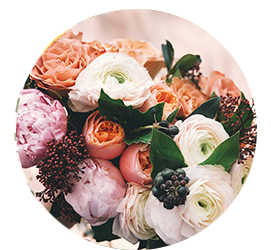
Since Victorian times, peonies have been synonymous with romance and happy marriage. Brides often cherish peony bouquets not only for their beauty but for their lucky symbolism:
- Richness in Married Life: The abundance of petals forecasts a life filled with love and happiness.
- Good Fortune: According to Chinese folklore, marrying with peonies is believed to bestow prosperity and luck.
- Enduring Love: Their lush fullness reflects the blossoming and enduring nature of a strong partnership.
Using peonies in your wedding is more than a style choice--it's a wish for a future as beautiful and abundant as the blooms themselves.
The Role of Peonies in Feng Shui
In feng shui, the ancient art of harmonizing spaces, peonies are considered powerful symbols of romance, luck, and beauty:
- Love & Romance: Displaying peonies in the Southwest part of your home is said to attract passionate love and strengthen couples' bonds.
- Fertility & Spring: As spring flowers, peonies stand for renewal and vibrant life energy.
- Wealth & Status: Paintings or arrangements of peonies can draw in success and honor, especially when placed in living rooms or entryways.
Whether used in home decor or garden design, peonies infuse spaces with their auspicious energy and aesthetic delight.
Popular Myths and Folklore About Peony Flowers
The mythology of the peony is as rich and layered as its petals. Here are a few fascinating tales:
- The Greek Legend of Paeon: The peony takes its name from this physician to the gods, who was turned into the flower by Zeus to save him from Apollo's jealousy.
- Bashfulness in Victorian England: English girls believed that being seen picking peonies would bring bad luck, as the flowers were said to hide naughty fairies.
- Chinese Empress and Peony: One legend tells of a Tang Dynasty empress who commanded all flowers to bloom in winter; only the peony refused, symbolizing integrity and resistance to power.
These stories add layers of mystery and meaning behind every peony blossom.
How to Use Peonies to Express Emotions
With so many meanings, peony flowers are perfect for sending symbolic messages:
- For Love & Marriage: Gift pink or red peonies to signify passionate love, admiration, or a wish for a happy union.
- For Apology or New Beginnings: White peonies can convey regret, humility, or hope for forgiveness.
- For Congratulations: Offer yellow or purple varieties to celebrate success, new business ventures, or personal achievement.
Let the beauty and depth of peony symbolism guide your floral gifts and decor choices.
Peony Blooms in the Language of Flowers
In the Victorian era, a complex language known as floriography assigned meanings to specific flowers:
- Peony: Stood for bashfulness, as well as luxury and a happy life.
- Combined with roses or lilies: The peony's message could soften or intensify romantic connotations.
- Arranged with violets or ferns: This pairing symbolizes pure friendship and mutual respect.
The symbolism of peonies brings another level to bouquets--making them conversations in petals.
Growing Peonies: Harvesting Meaning in Your Own Garden
By planting peony flowers, you invite their storied symbolism into your own life. Here's how to make the most of their mystical presence:
- Location: Plant your peonies in a sunny spot, symbolizing openness to positivity and abundance.
- Care: Peonies thrive with patience; their slow growth stands for enduring love and sustained prosperity.
- Arrangement: Grow peonies alongside roses for traditional romance or with herbs for healing symbolism.
Cultivating peony blooms celebrates a tradition of beauty and meaning that spans the globe.
Conclusion: The Everlasting Allure of Peony Flower Symbolism
The lush, fragrant peony bloom is more than just a flower--it's a symbol steeped in history, culture, and emotion. Whether representing romantic love, wealth, honor, or healing, the peony has enchanted generations in Asia, Europe, and beyond. Its meanings have evolved, adapted, and blossomed into a universal language understood by countless admirers.
Next time you encounter a charming peony bloom, remember the tapestry of stories woven into its petals. By understanding peony symbolism, you open your world to deeper appreciation of art, tradition, and the subtle ways we communicate through flowers.
Let the peony bloom inspire your life--with beauty, prosperity, and meaning as rich as its legendary blossoms.