Uncover the Fascinating Mysteries Behind Tulips with These Seven Facts
Posted on 15/08/2025

Uncover the Fascinating Mysteries Behind Tulips with These Seven Facts
Tulips are more than just vibrant flowers in garden beds; their history and unique characteristics have captivated people for centuries. In this article, we'll delve into the captivating stories, science, and symbolism that surround these iconic blooms. Whether you're a gardening enthusiast, a history buff, or simply curious, prepare to be amazed by these seven fascinating tulip facts. Discover the secrets and intriguing tales behind tulips!
1. The Surprising Origins of Tulips
When people think of tulips, the Netherlands instantly springs to mind. However, the real origin of tulips traces back to the rugged mountains of Central Asia. Here's a breakdown of their journey:
- Native Range: Tulips originally grew wild in regions covering present-day Kazakhstan, Iran, and Afghanistan.
- Introduction to Turkey: Turkish sultans became enamored with tulips around the 10th century, cultivating them in palace gardens. In fact, the word tulip is believed to derive from the Persian word "dulband," meaning turban, due to the flower's shape resembling a wrapped turban.
- Arrival in Europe: Tulips made their way to Europe during the 16th century via trade routes. Botanist Carolus Clusius played a pivotal role in bringing them to the Netherlands.
Fun fact: The famous "Tulip Mania" would not have been possible without this international journey!
2. Tulip Mania: The First Economic Bubble
The Madness of Tulip Trading
In the 1630s, the Netherlands was swept up in an economic phenomenon known as Tulip Mania. Tulip bulbs became so valuable that people traded their homes, land, and entire fortunes for rare varieties. Here are the jaw-dropping details:
- Price Surge: Some tulip bulbs fetched prices higher than most Amsterdam homes.
- Speculation Fever: The trading of tulip bulbs became a frenzied market speculation, with contracts exchanged on bulbs yet to bloom.
- Market Crash: The bubble burst in 1637, devastating investors overnight and serving as a powerful lesson in economic history.
Tulip Mania remains one of history's most referenced economic events, symbolizing the hazards of speculative markets.
3. The Science and Colors Behind Tulips
Remarkable Genetic Diversity
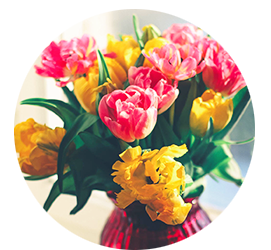
Tulips dazzle us with their spectacular array of colors and unique petal patterns. What makes this possible?
- Genetic Variation: There are over 3,000 registered varieties of tulips, spanning nearly every color except true blue.
- Bi-Colored Beauties: Some of the most striking tulips owe their intricate stripes and feathered patterns to a viral infection carried by aphids. This "broken tulip" effect became highly prized during Tulip Mania.
- Color Psychology: Different tulip colors often symbolize various emotions - red for passion, yellow for cheerfulness, purple for royalty, and white for forgiveness.
Modern tulip breeding continues to push the boundaries, introducing new hybrids and vibrant hues to gardens around the globe.

4. The Hidden Language and Symbolism of Tulips
Over the centuries, tulips have become cultural symbols with powerful meanings. Here's a look at their language:
- Love and Romance: Much like roses, red tulips denote deep love, making them a popular choice for romantic gestures.
- Perfect Love: In Persian literature, tulips symbolize pure, undying love.
- Charity and Forgiveness: White tulips are given as tokens of apology or to express an open, forgiving heart.
- Royalty and Majesty: Purple tulips carry a regal meaning, historically linked to nobility and luxury.
The hidden language of tulips makes them the go-to flower for expressing complex emotions without saying a word. Next time you choose tulips, know that their colors speak volumes!
5. Tulips and the Dutch: An Everlasting Bond
How the Netherlands Became Synonymous with Tulips
Few other countries can rival the Netherlands in terms of tulip production and tulip culture. Here's why:
- Global Leader: The Netherlands produces almost two-thirds of the world's tulips and exports bulbs and blooms worldwide.
- Colorful Festivals: The annual Tulip Festival transforms Dutch landscapes into a patchwork of vibrant color, attracting tourists from all over the globe.
- Iconic Images: Windmills and tulip fields are instantly recognizable symbols of Dutch culture.
From the famous Keukenhof Gardens to sweeping bulb fields, tulips continue to shape the national identity of the Netherlands, symbolizing enduring beauty and resilience.
6. Anatomy and Unique Adaptations of Tulips
The Biology of Survival
The dazzling beauty of tulips is matched only by their ingenious adaptations for survival:
- Bulb Storage: The tulip bulb acts as an underground storage organ, allowing the plant to survive harsh winters and grow again each spring. This enables tulips to flourish in challenging climates.
- Growth Cycle: Tulips are perennials that go dormant after blooming. Their growth is carefully timed with the change of seasons, ensuring optimal survival and reproduction.
- Pollinator Attraction: Bright colors and sweet scents serve to attract bees and other pollinators, which aid in their reproduction.
- Pest Resistance: Tulip bulbs produce chemical compounds that deter animals such as rodents and insects from feasting on them.
These ingenious features explain why tulips are remarkably hardy and widespread, adorning gardens from Central Asia to suburban backyards worldwide.
7. Tulips in Modern Culture and Science
Beyond the Garden - Tulips Inspire Art, Medicine, and Technology
The impact of tulips extends far beyond their beauty. Let's take a closer look at their influence in modern culture and scientific research:
- Art and Design: Tulips have inspired countless artists, including the Dutch Golden Age painters and modern-day photographers and designers.
- Culinary Uses: While most varieties are cultivated for decoration, some cultures have experimented with using tulip petals as salad garnishes or confections. (Caution: Only certain types are safe for consumption!)
- Medicinal Research: Scientists are investigating the potential anti-inflammatory and antimicrobial properties of tulip extracts.
- Horticultural Technology: Advanced breeding and cryopreservation techniques now allow for an ever-wider range of tulip varieties and longer-lasting bulbs.
- Tourism Impact: Tulip festivals and flower parades contribute significantly to local economies, especially in the Netherlands, the US, and parts of Asia.
Whether as a subject for famous still-life paintings or a focus of cutting-edge botany, tulips remain deeply woven into the fabric of human culture and innovation.
Conclusion: The Timeless Allure of Tulips
The story of the tulip flower is rich with color, culture, and curiosity. From their ancient origins in Central Asia to the vibrant fields of modern-day Holland, tulips continue to enthrall people worldwide. Each bloom tells a story - of wild beauty, economic folly, artistic inspiration, and scientific intrigue. Whether you're planting a bulb, sending a bouquet, or simply marveling at their splendor, remember the fascinating mysteries behind tulips that have made them a cherished symbol for generations.
Key Takeaways: Seven Compelling Tulip Facts
- Central Asia is the true birthplace of tulips, not the Netherlands.
- Tulip Mania was the world's first recorded economic bubble.
- Tulips' color variety is owed partly to natural genetics and viral influences.
- The symbolism of tulips: love, forgiveness, royalty, and more.
- The Netherlands leads global tulip production and exportation.
- Unique biology: bulbs for survival, colors for pollination, compounds for protection.
- Tulips continue to inspire art, science, medicine, and tourism today.
Whether in myth or in bloom, the tulip flower remains an enduring icon of beauty, resilience, and wonder. Uncover the mysteries, celebrate their stories, and let tulips brighten your world.