Prolong the Vibrancy of Your Cut Flowers
Posted on 28/06/2025
Prolong the Vibrancy of Your Cut Flowers: Complete Guide to Long-Lasting Blooms
Captivating, colorful, and fragrant, fresh cut flowers can instantly brighten any room. However, the real challenge is keeping their vivacious beauty for as long as possible. Many flower lovers ask, how can I maximize the lifespan of my bouquet? If you want your cut flowers to stay fresh longer and maintain their vibrancy, keep reading. This comprehensive article will guide you through professional and home-tested techniques to extend the life of your floral arrangements.
Why Do Cut Flowers Fade? Understanding the Science
Before learning how to prolong the vibrancy of your cut flowers, it's helpful to understand why blooms fade. Once flowers are cut, they no longer benefit from the nutrients and water supplied by their roots. The following factors contribute to their decline:
- Dehydration: Cut stems dry out, limiting water uptake.
- Bacterial Growth: Bacteria in the vase water clog stems and accelerate decay.
- Nutrient Depletion: Flowers consume stored sugars and quickly exhaust reserves.
- Ethylene Gas: Ripening fruits release ethylene, which prematurely ages petals.
- Improper Environment: Excess heat, sunlight, or drafts stress blooms, causing wilting and fading colors.
The key to maintaining the vibrancy of your flowers lies in addressing these issues head-on.
Step-by-Step Instructions for Longer Lasting Blooms
1. Choose the Freshest Cut Flowers
Selection matters. The first step in ensuring prolonged vibrancy is to purchase or harvest the freshest stems possible. Look for:
- Buds just beginning to open rather than fully bloomed flowers.
- Green, healthy leaves and stems--avoid any sign of yellowing or sliminess.
- No brown or bruised petals.
If buying flowers, ask when they were delivered to the store to ensure optimal freshness.
2. Cut Stems Properly for Maximum Water Uptake
Always re-cut stems before arranging them. Here's why and how:
- Angle Cut: Trim stems at a 45-degree angle to increase the surface area for water absorption and prevent stems from sitting flat against the vase bottom.
- Sharp Tools: Use a sharp knife or garden shears to avoid crushing the stems, which can block water channels.
- Under Water: For extra longevity, cut stems under running water or submerged to avoid air bubbles blocking the xylem.
- Remove Lower Leaves: Any leaves below the waterline in the vase should be removed to prevent rot and bacterial growth.
3. Choose the Right Vase and Clean It Thoroughly
A clean vase prevents the spread of bacteria, which can quickly reduce your cut flowers' vibrancy.
- Wash your vase with hot, soapy water and rinse thoroughly.
- For extra sanitation, use a mild bleach solution (1 part bleach to 10 parts water), then rinse again.
Pro tip: Glass, ceramic, and hard plastic vases are easiest to clean; avoid metals that may react with flower preservatives.
4. Use Fresh Water and Replace It Regularly
Water quality is critical to extending the life of your flowers.
- Change water every 2-3 days, or sooner if it looks cloudy.
- Use cool, room-temperature water for most cut flowers; tropical flowers, like orchids, prefer slightly warmer water.
- Thoroughly rinse stems and wash the vase during each water change to minimize bacteria.
5. Add Flower Food (or Make Your Own!)
Commercial flower preservatives contain a blend of sugars (nutrients), acidifiers (to maintain optimal pH), and antibacterial agents. If you didn't receive a flower food packet, make your own at home:
- 1 teaspoon sugar
- 1 teaspoon bleach or 1-2 drops household bleach
- 2 teaspoons lemon or lime juice (or vinegar)
- 1 quart (4 cups) water
Mix thoroughly and add to your vase. This formula feeds the flowers, inhibits bacteria, and balances pH--key factors in maintaining flower vibrancy.
6. Mind the Temperature and Placement
How and where you display your bouquet significantly impacts its life. For the freshest, most vibrant blooms:
- Place arrangements in a cool spot, away from direct sunlight, heating vents, radiators, or appliances.
- Avoid areas near ripening fruit; ethylene gas will speed up aging.
- Kitchens may expose flowers to heat and food-related ethylene gases.
- At night, moving flowers to a refrigerator or cool basement can help prolong bloom life--just ensure they aren't exposed to freezing temperatures.
7. Re-Cut Stems Every Few Days
As stems age and water is absorbed, ends can become blocked with air or bacteria.
- Every 3-4 days, trim about 1/2 inch off each stem at a 45-degree angle.
- This dramatically increases water uptake and can revive droopy flowers.
8. Remove Wilting Flowers Promptly
Deteriorating blooms and foliage can contaminate vase water and speed up decay in the rest of your arrangement.
- Check daily for wilting or limp flowers.
- Remove any declining stems to keep your bouquet fresh and vibrant.
Special Tips for Long-Lasting Flower Types
Top Varieties for Extended Vase Life
Certain flowers naturally last longer than others when cut. If you want the most enduring arrangement, consider adding these to your bouquet:
- Chrysanthemums: Can last up to three weeks when cared for properly.
- Carnations: Another robust choice, holding their form and color for several weeks.
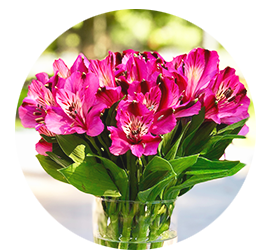
- Alstroemeria: Also known as Peruvian lily, lasting 2-3 weeks.
- Orchids: Long-stemmed varieties are exceptionally long-lasting and exotic.
- Sunflowers: With proper care, sunflowers can remain vibrant for 7-10 days.
- Lisianthus, Zinnias, and Lilies are also great choices for extended vibrancy.
Special Care Instructions for Delicate Flowers
Some exotic or fragile flowers require extra attention:
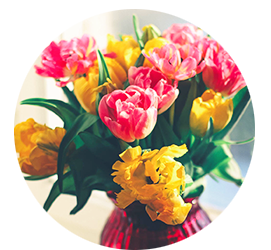
- Tulips: Prefer cool, shallow water and are sensitive to ethylene; keep them away from fruit bowls.
- Hydrangeas: Benefit from a quick soak of the entire stem in cool water if they start to wilt.
- Roses: Remove guard petals and frequently re-cut the stems to prevent drooping.
Pro Hacks to Prolong the Vibrancy of Your Flowers
Household Items That Help Flowers Last Longer
- Aspirin: Crushing one tablet and adding it to vase water can lower pH and help water uptake.
- Apple cider vinegar and sugar: 2 tablespoons of each can mimic commercial flower food.
- Pennies: The copper in pennies (before 1982) acts as a natural fungicide and may reduce bacteria.
- Vodka: In tiny amounts, vodka can inhibit ethylene production and help extend the beauty of cut flowers.
*Caution:* Always test solutions on a single flower before using on your entire bouquet, as some flowers can be sensitive to additives.
Creative Displays for Longer Enjoyment
- Submerge small flowers in glass bowls for floating arrangements--less stem surface means less bacterial risk.
- Try single stems in multiple small bud vases; these are easier to clean and refill with fresh water.
- Mix faux (artificial) flowers with real ones for non-stop color and volume as fresh blooms fade.
Common Mistakes That Shorten the Life of Cut Flowers
Avoid these pitfalls that may sabotage your efforts to prolong flower vibrancy:
- Re-cutting stems with dull scissors, causing stem damage and poor water uptake.
- Leaving leaves in water, accelerating bacteria and stem rot.
- Using hot or very cold water, shocking delicate blooms or closing their water-conducting cells.
- Placing arrangements near windowsills with drastic temperature swings.
- Forgetting to wash the vase between water changes.
- Adding too much bleach, which can harm petals and foliage.
Frequently Asked Questions on Flower Longevity
How long can I expect my cut flowers to last?
Most mixed bouquets last 5-10 days with proper care, but some can stretch up to three weeks. Always start with the freshest flowers and use the tips above to maximize longevity.
What's the best time of day to cut flowers?
The ideal time is early morning or late evening, when flowers are most hydrated and the sun hasn't sapped their moisture.
Can I revive wilted cut flowers?
Yes! Try a fresh angle cut on the stems and submerge them in cool water for several hours. Some flowers, like hydrangeas, benefit from soaking entire heads in water.
Should I mist my flowers?
Misting can help delicate blooms, such as orchids or anemones, last longer, especially in dry environments. Avoid misting if fungal problems are likely.
Summing Up: Enjoying Lasting Floral Beauty
A bouquet is not just a decoration--it's an experience, a memory, and a celebration of nature's brilliance. With the right care, you can prolong the vibrancy of your cut flowers far beyond expectations, enjoying their colors and fragrances day after day.
- Start with fresh flowers and trim stems at an angle.
- Keep vases clean and change water regularly.
- Use flower food or a homemade alternative for nutrition and bacteria control.
- Display in a cool, shaded spot--away from fruit and appliances.
- Re-cut and refresh stems every few days for maximum impact.
With these methods, you ensure that every bouquet, whether store-bought or garden-picked, stays vibrant and beautiful well beyond its first few days. Put these strategies into practice, and let the magic of fresh flowers transform your space for even longer!